Table Of Content
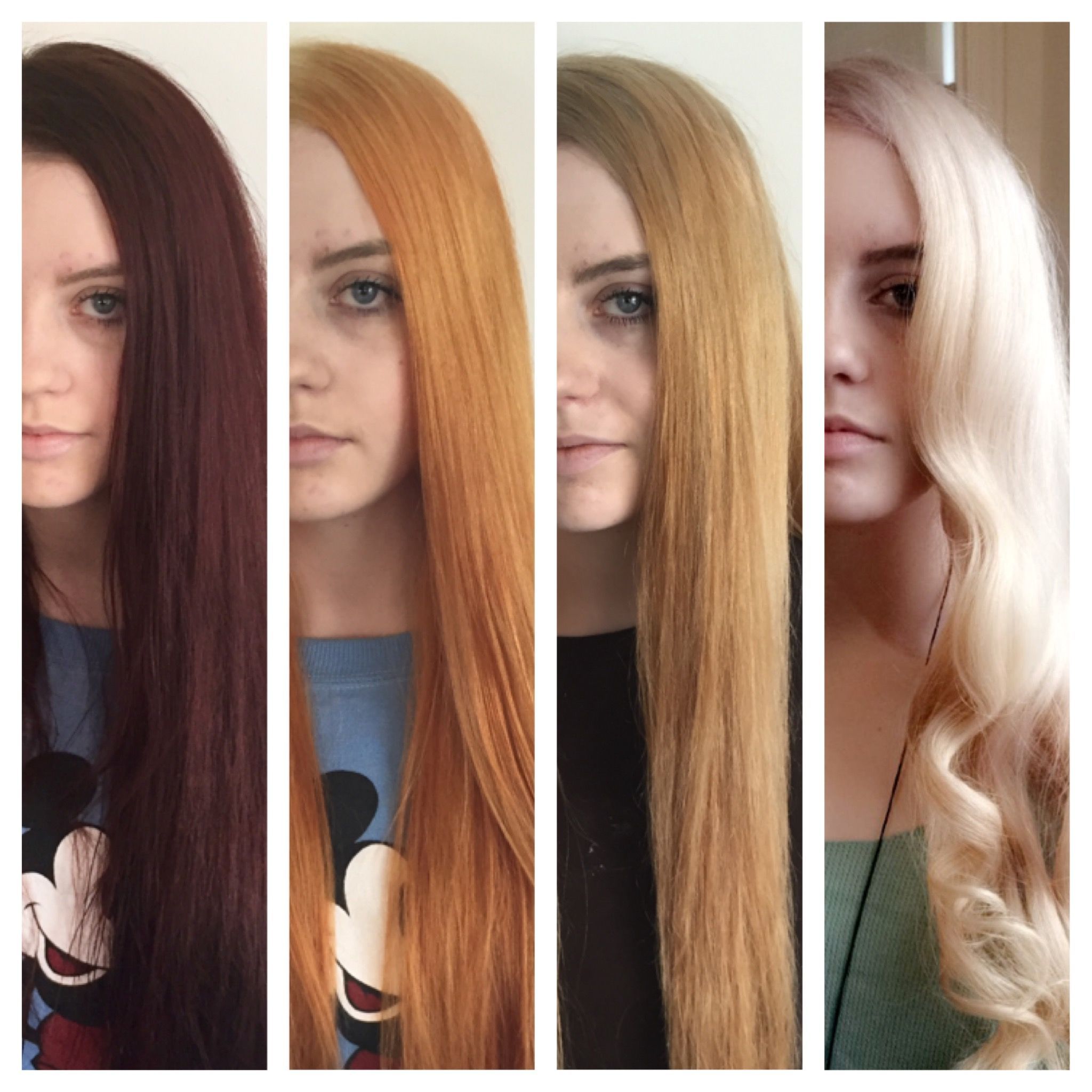
Speaking of which, follow the label included since instructions can vary among products. There are plenty of brands like Overtone and Splat, who have collections formulated for dark hair. Your hair type and texture, as well as your porosity and density level can determine how well your hair can take color. Dorram suggests taking a small strand behind the ear and testing out the color before fully committing. She also recommends drying your hair after washing it, so you can really see how accurate the color looks under very good lighting.
Take Care of the Good Condition of Your Hair
This semi-permanent hair dye offers the boldest shades for dark locks. From oceanic blue to deep purple, there are 14 colors to try out—minus any harsh chemicals (aka peroxide, ammonia and PPD). Shoppers say it's easy to use and the scent is deliciously good for a hair dye. Bleaching your hair at home involves mixing a lightening agent, either liquid or powder, with a developer, such as hydrogen peroxide, to open the cuticle and pull pigment out of the hair. The ingredients are the biggest difference between bleach and the corresponding color products used at home versus by your colorist.
Best for Highlights
"It's better to know in advance what we are up against and how to prepare for it, than to be surprised later." It’s okay when hair looks yellow — it just needs further toning or a bleach bath. If you end up with dark, orange hair, you might need to re-bleach it, though. To avoid significant damage, it’s crucial to give your tresses enough time for recovery, so wait for at least three days before another session. For starters, choose a well-ventilated area for your hair-lightening session. When you have this ready, put on the gloves and mix the lightener and developer as the instructions say.
Pros/cons of bleaching at home vs. a professional salon
Here's your sign to experiment with the boldest shades right at home with some box hair dye—no commitment necessary. We found the 11 best hair dyes for dark hair without bleach, damage or dryness. Hydrogen peroxide is an ingredient that is included in most commercial hair dyes.
How Often Can You Bleach Your Hair? (Without Completely Destroying It) - Real Simple
How Often Can You Bleach Your Hair? (Without Completely Destroying It).
Posted: Wed, 17 Jan 2024 08:00:00 GMT [source]
Wet hair is more fragile than dry hair (meaning there is more room for damage). Bleaching your hair can be a time-consuming process, so patience is key. Achieving your desired hue could take multiple sessions, depending on how dark your starting color is. If you want to make a seriously drastic change—like bleaching dark brown hair to platinum blonde—you may want to let a professional colorist handle the transformation.
According to Geary, pro-level bleaches contain high-quality ingredients that help colorists achieve their clients' desired results while protecting the hair's integrity. "Professional lighteners include clay, cream, or powder formulas and come in different strengths, achieving anywhere from six to nine levels of lift," she tells Byrdie. "Choosing the best lightener and developer is challenging," says color specialist Jodana Geary. "And you may end up with an unwanted result that compromises the condition of your hair." Additionally, the lighteners used at salons are of a different caliber than what you find on a drugstore shelf. "Pro bleaching products typically have more lifting power to them," explains celebrity colorist Matt Rez.
Patch tests let you see how your skin reacts to a topically-applied substance, such as hair dye, before you use it in a full application. Bleaching curly hair, very dark, long, chemically treated, thin, very thick, kinky, dyed, permed, or brittle hair is not recommended at home. Instead, get someone to handle it professionally so you can get the results you want. Inflammation, redness, and a stinging feeling on the scalp are all indicators of an adverse reaction, so practice caution.
Step 7: Wash it
Freshly bleached tresses are extremely vulnerable to heat styling damage, meaning you should avoid blow-drying, curling, or straightening your hair during the first weeks after bleaching your hair. Also, use sulfate-free shampoo and hair products containing more organic ingredients. If you want to lighten your currently dyed hair and go blonde, the only method that will be successful is to use bleach. In order to reduce the amount of damage to your hair, wait at least 8-10 weeks after you’ve dyed your hair before you attempt to bleach it. Regardless, no matter what bleaching product you use to lighten your hair, it will cause damage.
The Best Low-Maintenance Hair Color Ideas for 2024 - Glamour
The Best Low-Maintenance Hair Color Ideas for 2024.
Posted: Tue, 19 Mar 2024 07:00:00 GMT [source]
Remember, if you are trying to get to ash or platinum blonde, you must lift all the way up to level 10. Ugly Duckling's coloring brushes are all feather brushes and we do recommend them for bleaching & coloring. When breaking out your blow dryer is unavoidable, always prep your hair with a good heat protectant. Your mane is in good hands with the L’Oréal Paris EverPure Sulfate-Free Weightless Blow Dry Primer, Heat Protectant.
However, he advises against using them at home and instead says to ask your stylist if they can lighten your hair with a particular brand. Your number one task is to keep your tresses as moisturized as possible before the bleaching day. This way, the bleach will have fewer chances to damage your hair and leave the strands dry and frizzy. To help your locks retain moisture, start using moisturizing shampoos and conditioners regularly a month before you apply the bleach.

Bleached locks tend to get brassy over time, but don’t worry — you can fight the unwanted warm tones by switching out your regular shampoo with purple shampoo every other week. New York City-based colorist Aura Friedman, who works with celebrities such as Lady Gaga and Sky Ferreira, also suggests skipping an at-home bleach attempt. "When you bleach your own hair, it's almost impossible to not overlap on already bleached hair, which means you could have a lot of breakages, it's just not worth the risk," says Friedman. Once all the necessary materials and prep have been done (and you’ve fully committed to going blonde) you’re ready to make the bleach mixture. That said, there is a small chance that toothpaste could lighten hair a bit. It all depends on the ingredients that are included in the toothpaste, as well as the color of your hair.
Pair it with the corresponding shampoo; together, the fortifying line can help strengthen hair from the inside out—perfect for repairing bleached locks. Now that you’re more aware of what your hair transformation will require, you can dive into the actual process of bleaching your hair. Allot yourself more time than you think you’ll need to complete the entire routine so you don’t feel rushed. A week before bleaching, it’s also a good idea to limit your hot tool usage.
Yes, you can bleach your hair with household bleach, but it’s important to take some precautions. Bleach can cause severe damage to your hair, so it’s important to take some precautions before bleaching your hair at home. In order to make hair bleach, you will need hydrogen peroxide, ammonia, and a developer. In the end, if you're unhappy with the results, make an appointment with your colorist. Trying to cover up a bleach job gone awry isn't as simple as slapping on some temporary or box hair color.


No comments:
Post a Comment