Table Of Content

Do the bleaching right, all the way to level 10, and just once. To do this, make a very small amount of bleach and developer mix. Nevertheless, we always do a skin sensitivity test before bleaching.
Moroccanoil Color Depositing Mask
Keep checking on the hair periodically to see if the color is lifting to the levels you want. Keep in mind that you should wait for at least two weeks after you bleach your hair before you start using the purple shampoo. Your strands will be porous and highly absorbent the first weeks after lightening, and purple-tinted products can change your hair color. Switching up your hair color is the best way to get a brand-new look. However, things can be a bit more complicated than just applying hair dye on your strands if you have dark hair. If you want to go more than a couple of tones lighter, you’ll probably need to bleach your hair.
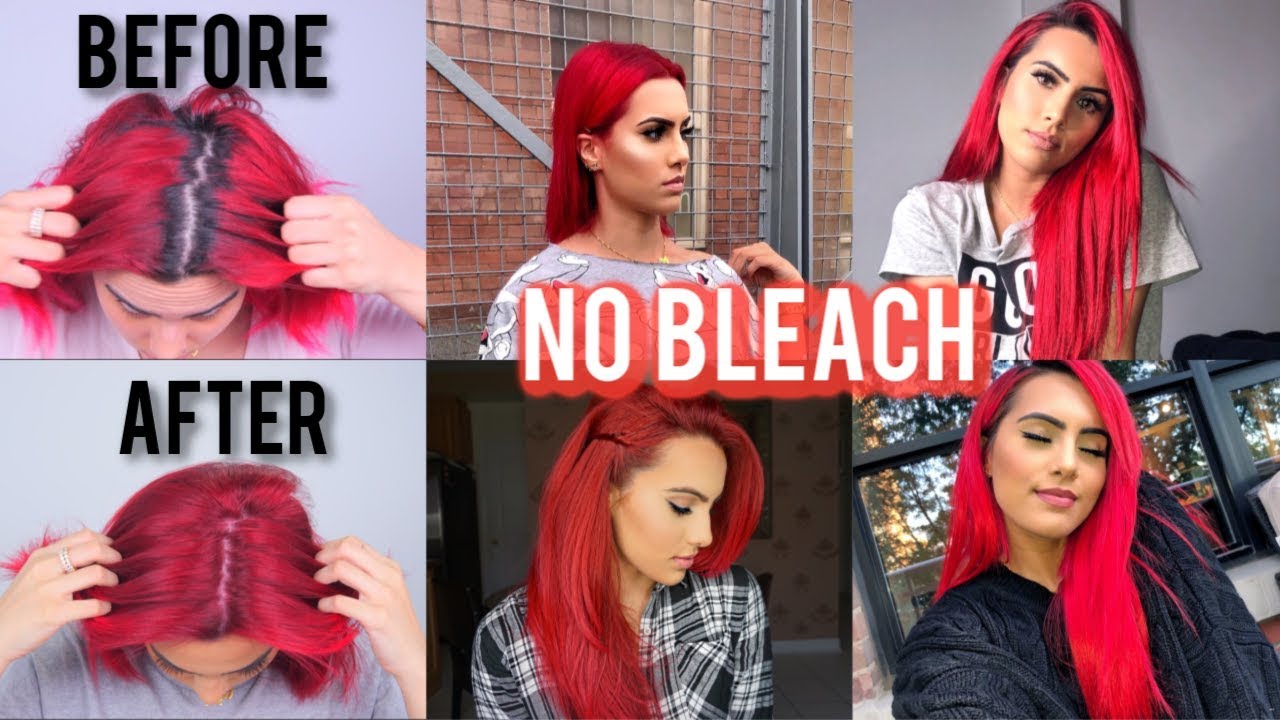
Step 6: Wash your bleach out
So, if you’re currently experiencing issues such as frizziness, dryness, and breakage, it’s highly recommended to leave the bleach job to a hair stylist or professional colorist. To make your at-home bleach journey a bit easier, we’ve consulted a few experts to help you achieve healthy-looking blonde strands. Ahead, you’ll notice a 12-step bleaching process, along with tips and tricks from hair colorist and R+ Co Collective member Richy Kandasamy and Wella Colorcharm and Clairol Professional Top Artist Oliver Adams. We’ve also made sure to feature a number of hair care products that you’ll need in the process, including bleaching kits, shampoos, and leave-in creams. Investing in a hair bleaching kit is better than trying to piece together what you need.
Side Effects Of Bleaching: When Should You Consult Your Doctor?
It is a cheap, easy way to brighten your hair or bring out your natural highlights. However, keep in mind that with any home bleaching or dyeing process, there is a chance of damaging your hair or getting an unnatural looking result. See a professional hair stylist if you are planning on making a dramatic change or if your hair is already damaged or discolored. Going from dark brown to lighter strands is a high-impact transition, and this is about both your hair condition and your new look. Even without major lifting, bleach treatment often results in a dry and rough texture, and brassy tones start to creep in soon.
I got the viral two-toned blonde and brunette 'Gemini' hair trend - Cosmopolitan UK
I got the viral two-toned blonde and brunette 'Gemini' hair trend.
Posted: Tue, 01 Aug 2023 07:00:00 GMT [source]
What to Consider When Shopping for the Best Hair Dye for Dark Hair
It ranked highly with users at having instructions and an applicator that were easy to use, covering grays completely, providing even color and having a non-offensive scent. The color was "rich and uniform" and "didn't look like it was from a box," two testers marveled. For example, Rolon says that people should be prepared for an uncomfortable feeling on the scalp when bleach is applied on the scalp.
When you get your hair bleached at a salon, they’ll be checking in on your hair to make sure that it’s processing well. If your hair is extremely dark, long, heavily processed, fine, very thick, curly/kinky, colored, permed, or damaged, do not bleach at home. Instead, get it done professionally to achieve the results you are expecting.
Schwarzkopf Keratin Color Permanent Hair Color
Color-safe shampoos and conditioners are essential in extending the life of your bleached hair color. We’re partial to the EverPure Sulfate-Free Moisturizing Shampoo and EverPure Sulfate-Free Moisture Conditioner from L’Oréal Paris. The duo deeply replenishes dry hair with twice as much moisture, is gentle on color-treated strands, and keeps color pure for up to four weeks.
Best for All-Over Blonde
Work fast so that that you can give the whole head an equal amount of processing time. Start applying bleach in the back of the head where the hair is usually darkest and thickest, working your way round to the front sections, in half-inch sections. For the root area, stay with 20 Vol developer only, even with dark hair.
Also, remember that bleach works best on virgin, unprocessed hair, as previously colored hair may lift patchy. Thus, avoid dyeing your hair for at least three months before bleaching if you can or let the professional on the job. Your hair may look yellow or orange even and that’s okay, it just means you might have to bleach again. Make sure you assess and check the health of your hair using the stretch technique Kandasamy recommended in the first step. Using the hair level chart discussed in Step 6, determine your hair level to see if you need to bleach your hair again.
In Lab evaluations, it scored high for giving a natural look, 79% of testers said it left their hair soft and shiny and 90% said it didn’t cause irritation. The hair color also comes in a huge range of 50 shades from very light blonde to dark blue-black. "Easy to apply and left hair extremely soft, even without conditioner," a tester reported. Bleaching your hair before coloring it allows the hair color to penetrate deeper into the strands, resulting in a more accurate color and a longer-lasting result.
Lightening your hair by that many levels often takes a lot of work and skill to get just right. Don't fall into delulu land and expect every hair color to work on darker strands. It's unlikely dark locks can turn into bright blonde pieces without the use of a lightener like bleach. "Permanent hair color will lighten natural hair about 1-2 levels, which might be less than you envision. It can mean going from dark brunette to medium brunette at best," says Perkins. "If you’re looking for a noticeable change to lightness from dark hair, you may actually need to consider lighteners —which is not necessarily a bad thing in the right hands with a transparent consultation."
"Everyone is busy. If you are handy, you may be able to get away with doing your color." The first step is determining if your hair is healthy enough to bleach. If bleach is just a pit stop on your way to a more vibrant shade, now may be the time to apply your color. Temporary, semi-, and demi-permanent dyes are typically fine to use post-bleaching. However, if you plan to apply permanent dye to your bleached hair, it’s best to wait a few days or weeks to give your strands time to recover. It’s best not to dye your hair or undergo any kind of straightening or perming treatment for at least two weeks before bleaching your hair at home.
Apply this mixture to your hair, making sure to avoid getting it in your eyes. There are a few things you can mix together to bleach your hair at home. To use the bleach, divide the mixture evenly between two bowls.

Shampoo the hair with a gentle shampoo until the bleach runs out thoroughly. You'll want to make sure that all of the bleach is out of the hair. Otherwise, if the lightener or developer lingers in the hair, it can affect its health and moisture levels. Apply coconut oil or a scalp color protector to the hairline, which can maintain the scalp's pH levels. Bleach is an alkaline product that can irritate the scalp (especially if yours is sensitive), so protecting it can reduce the risk of irritations and even post-coloring itching.
Similar to the toner, a purple shampoo helps eliminate orange or yellow hues in your hair. Using a non-chemical toner (purple shampoo) is a great way to upkeep your blonde hair to keep it from getting brassy. Use a purple shampoo once or week or whenever your hair starts to get too yellow.
However, it doesn’t mean that you need to refuse from getting the platinum blonde of your dreams. Instead, listen to a couple of useful tips on how to take care of your freshly processed hair. In the salon, the bleaching process entails a very tedious process. According to colorist Rachel Bodt, the method requires sectioning the hair into very small pieces with a precise brush and mixing bonding treatments (like Olaplex) into the hydrogen peroxide to prevent breakage. These types of treatments aren't sold to customers, just licensed professionals.


No comments:
Post a Comment